
Introduction
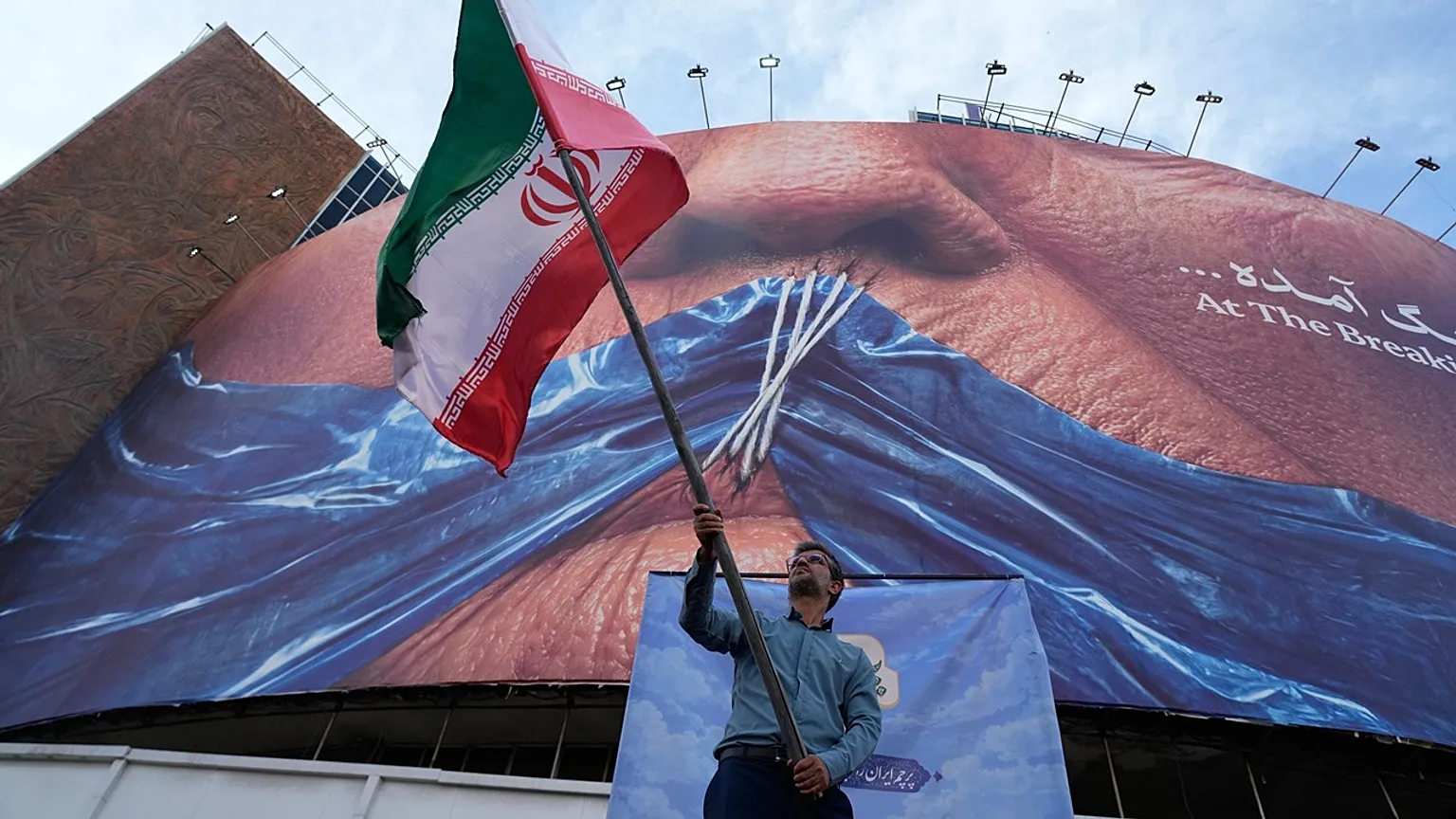
Iran has moved quickly to capitalize on President Donald Trump’s proposal concerning the Strait of Hormuz, using the moment to strengthen its diplomatic position and reinforce its influence in one of the world’s most strategically important waterways.
Rather than viewing the proposal solely as a challenge, Tehran has used the renewed international attention to highlight its role in regional security while advancing its own political and economic objectives.
A Strategic Waterway in Global Focus
The Strait of Hormuz remains one of the world’s busiest maritime routes, serving as a key passage for oil, natural gas, and commercial shipping. Any proposal involving the waterway immediately attracts global attention because of its importance to international trade and energy markets.
Trump’s proposal renewed debate over security in the region and prompted responses from governments, shipping companies, and energy producers.
Tehran Seizes the Narrative
Iranian officials responded by emphasizing that lasting stability in the Strait of Hormuz depends on regional cooperation rather than increased foreign military involvement.
By framing itself as a key stakeholder in the security of the waterway, Tehran sought to reinforce its diplomatic standing while portraying its approach as focused on protecting regional interests.
The messaging also allowed Iranian leaders to strengthen domestic support by presenting the country as capable of responding confidently to international pressure.
Diplomatic Opportunities
The renewed discussion surrounding the Strait of Hormuz created opportunities for Iran to engage with neighboring countries and international partners.
Iran used diplomatic channels to argue that open communication and regional cooperation remain the most effective ways to ensure safe navigation and prevent further escalation.
These efforts also helped Tehran maintain dialogue with countries seeking stability in the Gulf.
Economic and Political Advantages
Heightened attention on the Strait of Hormuz also placed Iran at the center of discussions about global energy security.
As concerns over potential disruptions grew, Tehran highlighted its geographic importance and its influence over one of the world’s most critical maritime corridors.
This strategic position continues to provide Iran with political leverage during periods of heightened international tension.
Regional Reactions
Neighboring countries responded cautiously, urging restraint while supporting efforts to keep shipping lanes open and secure.
Many governments emphasized the importance of avoiding actions that could threaten international commerce or increase military tensions in the region.
Shipping companies also continued monitoring developments as they assessed potential risks to global supply chains.
Challenges Remain
Despite the diplomatic opportunities, Iran continues to face significant economic sanctions and ongoing geopolitical pressure.
Analysts note that while Tehran may benefit from increased international attention, lasting improvements in regional stability will depend on continued diplomatic engagement and efforts to reduce tensions.
The situation remains fluid, with both regional and global powers carefully evaluating their next steps.
Looking Ahead
The Strait of Hormuz is expected to remain a focal point of international diplomacy and security discussions.
Future developments will depend on how regional governments, global powers, and international organizations respond to evolving political and military conditions.
Continued dialogue and confidence-building measures could play an important role in preventing further escalation.
Conclusion
President Trump’s Hormuz proposal gave Tehran an opportunity to strengthen its diplomatic messaging and reaffirm its strategic importance in one of the world’s most vital maritime regions. By positioning itself as an essential player in regional security discussions, Iran sought to transform a challenging geopolitical moment into a platform for greater influence.
As tensions continue to evolve, the Strait of Hormuz will remain central to global energy security, international trade, and Middle East diplomacy.